Air Circuit Breakers vs Vacuum Breakers for LV Panels
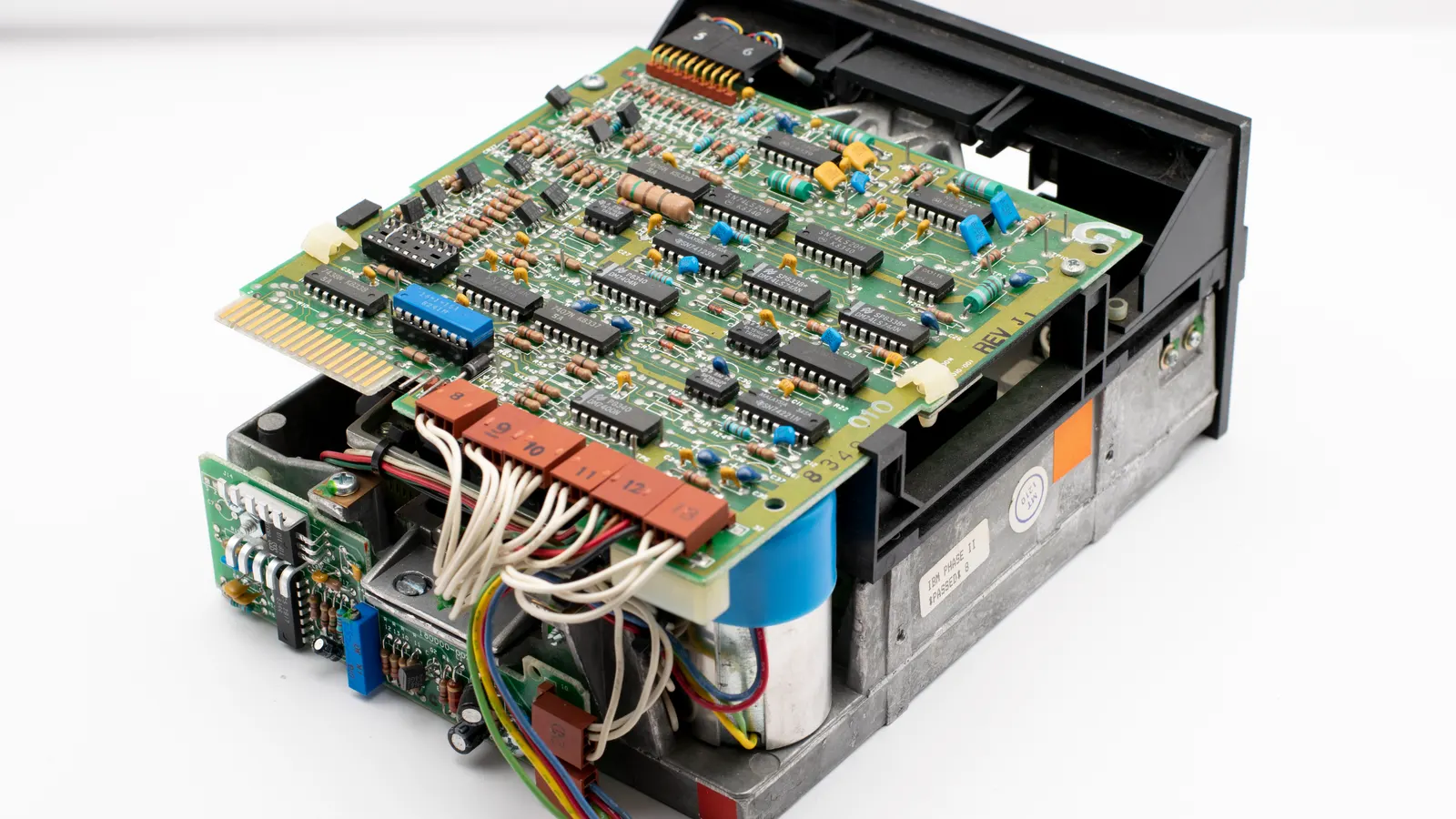
Vacuum breakers use insulating gas and offer low maintenance, while air breakers use compressed air and require regular checks. The choice depends on panel design, maintenance access, and the specific fault current conditions of the installation.
- Vacuum breakers use a sealed tube with insulating gas, reducing the need for routine maintenance compared to air breakers.
- Air breakers rely on compressed air to extinguish the arc and require regular inspection of the pressure system.
- Panel design, maintenance access, and the specific fault current conditions determine which breaker type is more suitable.
- Both types are effective for low-voltage switchgear, but their long-term ownership costs and service requirements differ.
Which Interrupting Media Fit LV Panels Best
Low-voltage panels require circuit breakers that can reliably interrupt fault currents and open under normal load conditions. The interrupting media determines how the arc is extinguished. Vacuum breakers use a sealed tube filled with insulating gas. Air breakers use compressed air to blow out the arc. Both technologies are mature and widely used in switchgear. The choice between them depends on the panel design, the maintenance schedule, and the specific electrical conditions of the installation.
When specifying equipment for a new distribution board or retrofitting an existing one, the interrupting medium is a fixed design parameter. It is not a feature that can be swapped easily without changing the breaker frame, the trip unit, or the busbar connections. A vacuum breaker and an air breaker look similar from the outside, but the internal mechanics, the service intervals, and the physical footprint are fundamentally different. An engineer must evaluate the media based on the operational profile of the installation, not just the rated current of the breaker.
How the Two Technologies Work
A vacuum circuit breaker contains a sealed ceramic tube. When the contacts separate, a vacuum forms inside the tube. The vacuum prevents the arc from re-striking. The gas inside, often a mix of inert gases, helps clear the arc quickly. The contacts operate with a small force because the vacuum provides natural insulation. The arc length is limited to the distance between the two contact poles inside the tube. This short length allows for extremely fast extinction, typically within a fraction of a millisecond. The ceramic envelope acts as both an insulator and a mechanical housing. Because the arc is contained, there is no external arc flash risk during normal operation. The contact material is usually silver or a silver alloy, which provides low resistance and good wear characteristics.
An air circuit breaker uses a compressed air cylinder. When the breaker trips, a valve releases high-pressure air through the contacts. The air stream blows the arc into a chamber where it is cooled and extinguished. The air is then re-compressed or replaced. This mechanism requires a pressure system that must be checked and maintained. The air chamber is designed to cool the arc by increasing its volume and lowering its temperature. The pressure in the cylinder is typically maintained by a pump or a spring-loaded mechanism. The air is the insulating medium, but it is also a moving part. The valve that releases the air is subject to wear and can become stuck if the air quality is poor. The contacts in an air breaker are exposed to the arc chamber, which can lead to pitting and carbonization over time if the air is not clean.
LV Breaker Comparison Table
| Option | Best for | Limitations |
|---|---|---|
| Vacuum Breaker | Low maintenance, sealed panels, harsh environments | Higher initial cost, sealed contacts are not easily repaired in the field |
| Air Breaker | Open panels, frequent maintenance access, high fault current | Requires regular pressure checks, larger size, moving air parts wear over time |
| Oil Breaker | Older installations, specific legacy panel designs | Environmental concerns, oil leaks, high maintenance |
| SF6 Breaker | High fault current, compact panels | Gas handling, environmental regulations, specialized service tools |
Maintenance and Service Requirements
Vacuum breakers have a sealed contact assembly. The contacts do not need routine cleaning because the vacuum tube is hermetically sealed. The main service item is testing the trip mechanism and checking the control circuit. If a contact assembly fails, the entire unit is usually replaced. This makes the spare parts strategy simple. The maintenance interval for the contact assembly itself is often tied to the manufacturer’s warranty period, which can be ten to twenty years, depending on the usage. During this time, the service engineer performs periodic insulation resistance tests on the busbars and checks the auxiliary contacts. The trip unit, usually a thermal-magnetic or electronic relay, is tested to ensure it trips at the correct current and time settings. Because the vacuum tube is sealed, there is no risk of moisture ingress into the contact area. This eliminates the need for desiccant checks or seal integrity tests that might be required for other gas-filled systems.
Air breakers have exposed contacts and a pressure system. The air pressure must be checked regularly. If the pressure drops, the breaker may not trip correctly. The contacts may need occasional cleaning. The air cylinder and valve are subject to wear. A technician must verify the pressure gauge, the valve mechanism, and the contact condition. This requires more hands-on work. The pressure gauge should be checked against a calibrated reference to ensure it is accurate. The valve mechanism must be inspected for sticking or leakage. The air chamber may accumulate carbon deposits from the arc, which can reduce its cooling efficiency. Cleaning the chamber requires opening the breaker and removing the contacts. This is a labor-intensive task that must be done by qualified personnel. The pump or compressor that maintains air pressure must also be checked for leaks and proper function. If the air quality is poor, with oil or moisture, the valve can corrode and fail. Therefore, the air supply must be dry and clean.
Panel Design and Physical Layout
Vacuum breakers are compact. The sealed tube fits within a small footprint. This allows for tighter panel packing. The sealed design also keeps contaminants out of the contacts. This is useful in dusty or humid environments. The panel designer can place the breaker in a closed enclosure without worrying about dust entering the contact area. The vacuum breaker frame is often integrated into the breaker itself, meaning the entire unit is a self-contained block. This simplifies the panel assembly. The busbar connections are standard, and the trip unit is mounted on the front or side of the breaker. The compact nature of the vacuum breaker allows for higher density in the panel. In a space-constrained installation, such as a basement substation or a crowded industrial plant, this density is a significant advantage. The sealed construction also reduces the risk of dust accumulation on the external parts, which can affect the operation of the operating mechanism.
Air breakers are larger. The pressure cylinder and the air flow chamber take up space. The panel must have a path for the air to flow. The valve and cylinder must be accessible for inspection. The panel design must include space for the pressure gauge and the re-pressurization system. This can affect the overall cabinet dimensions. The air breaker frame is often more complex than the vacuum breaker frame. The air chamber is a large cavity behind the contacts. The cylinder is usually mounted on the side or top of the breaker. The panel must provide clearance for the cylinder to operate and for the technician to access the valve. If the panel is too tight, the cylinder may interfere with adjacent breakers or the door. The air flow path must be unobstructed. Dust on the chamber walls can interfere with the cooling process. Therefore, the panel design must facilitate easy access to the air chamber for cleaning. The pressure gauge must be visible from the front of the panel, and the re-pressurization system, such as a pump or a spring, must be accessible for adjustment.
Cost and Ownership Considerations
Vacuum breakers typically have a higher initial cost than air breakers. The sealed contact assembly is more expensive to manufacture. However, the long-term maintenance cost is lower. There are no routine contact cleanings. The only cost is the eventual replacement of the contact assembly. This shifts the cost from recurring labor to a capital replacement. The initial cost difference is often justified by the reduction in downtime. Since vacuum breakers require less frequent maintenance, the installation can remain online for longer periods. The spare parts inventory is smaller. A single spare vacuum breaker unit is usually sufficient for a panel with multiple breakers. The life expectancy of the contact assembly is long, often exceeding the life of the panel itself. This makes budgeting easier. The capital expenditure is higher, but the operational expenditure is lower.
Air breakers have a lower initial cost. The open design is simpler to build. But the maintenance cost adds up over time. Regular pressure checks, contact cleaning, and potential valve replacement require labor. The total cost of ownership depends on the maintenance schedule. A breaker in a harsh environment may need more frequent checks, increasing the cost. The spare parts inventory is larger. A panel may require spares for the valve, the cylinder, the pressure gauge, and the contacts. The maintenance labor is specialized. Technicians must be trained on the air pressure system and the cleaning procedures. The downtime for maintenance is longer because the breaker must be opened and the chamber cleaned. This can affect the availability of the power supply. In a critical application, the longer maintenance intervals can be a disadvantage. The initial savings may not be realized if the maintenance costs are underestimated.
Selection Criteria for Engineers
When choosing between vacuum vs air circuit breaker options, start with the fault current. Both types can handle standard LV fault levels. Check the panel manufacturer’s specifications. The panel design often dictates the breaker type. A sealed cabinet favors vacuum breakers. An open cabinet with good access favors air breakers. The fault current level is a critical factor. High fault currents can cause more stress on the contacts. Vacuum breakers are designed to handle high fault currents with their short arc length. Air breakers rely on the cooling capacity of the air chamber. If the fault current is very high, the air chamber may need to be larger to handle the heat. This can lead to a larger breaker size. The engineer must verify the breaking capacity of the breaker against the maximum fault current of the installation. The short-circuit duty of the breaker must be checked. This is often listed in the manufacturer’s data sheet as the short-circuit making and making breaking current.
Consider the maintenance team. If the site has a small technical staff, vacuum breakers are easier to manage. The service is mostly electrical testing. If the site has a dedicated electrical workshop, air breakers can be maintained in-house. The pressure system is simple to understand, but it requires regular attention. The maintenance team must have the tools to service the air breaker. A pressure gauge calibrator, a contact cleaning kit, and a valve testing tool are necessary. The vacuum breaker requires a multimeter, an insulation resistance tester, and a trip unit tester. The skills required are more general electrical skills. The air breaker requires specific knowledge of pneumatics and arc cleaning. The availability of trained technicians is a key factor. If the site is remote, the ability to perform field service is critical. Vacuum breakers are easier to service in the field because they do not require opening the contact area.
Look at the environment. If the installation is in a dusty or corrosive area, the sealed vacuum tube provides a barrier. The air system in an air breaker is open to the environment. Dust can get into the valve. Corrosion can affect the pressure gauge. In these cases, the vacuum breaker is the safer choice. The air breaker requires a clean air supply. If the air is dusty, the valve can clog. If the air is corrosive, the cylinder can degrade. The environment also affects the panel enclosure. In a humid environment, the sealed vacuum tube prevents moisture from entering the contact area. This prevents condensation, which can cause flashovers. The air breaker chamber can accumulate moisture if the air is not dry. This requires the use of a dehumidifier or a desiccant in the air supply. The environment dictates the required level of protection and the maintenance frequency.
Common Mistakes in Selection
One common mistake is choosing a breaker based only on the initial price. The air breaker may save money at purchase. But the maintenance labor can exceed the savings over five or ten years. Engineers must calculate the total cost of ownership. The initial price is only one part of the equation. The cost of maintenance, downtime, and spare parts must be included. A simple cost-benefit analysis can show that the vacuum breaker is more economical over a ten-year period. The engineer must consider the life cycle of the installation. If the panel will be in service for twenty years, the recurring costs of air breaker maintenance will be significant. The initial savings may be offset by the labor costs. The engineer must communicate this to the client. The total cost of ownership is a better metric than the initial price.
Another mistake is ignoring the panel design. Forcing an air breaker into a sealed cabinet can cause problems. The air flow may not be clear. The pressure gauge may be hard to read. The vacuum breaker fits naturally into a sealed design. The panel manufacturer often has specific recommendations for breaker types. Following these recommendations ensures that the panel operates as intended. If an air breaker is installed in a sealed cabinet, the air chamber may not cool effectively. The pressure gauge may be obscured. The valve may be difficult to access. These issues can lead to operational problems and increased maintenance costs. The engineer must coordinate with the panel manufacturer to ensure that the breaker type is compatible with the panel design. The busbar connections and the trip unit must also be compatible.
Finally, do not skip the manufacturer’s guidance. The panel manufacturer and the breaker manufacturer work together. The breaker type must match the panel’s trip unit and the busbar design. Use the manufacturer’s selection guide. Do not assume a breaker from one brand will fit a panel from another. The breaker frame, the trip unit, and the busbar connections must be compatible. The manufacturer’s data sheet provides the necessary information. The engineer must verify the compatibility before specifying the breaker. This prevents installation errors and ensures reliable operation. The manufacturer’s guidance is based on extensive testing and experience. It is the safest way to select the correct equipment.
Final Selection Advice
Vacuum breakers are the default choice for new LV panels in sealed cabinets. They offer low maintenance and a compact size. The initial cost is higher, but the long-term service is simple. Air breakers are still used in open panels and in installations where frequent maintenance is part of the routine. They are also used where the initial budget is tight and the maintenance team is well-equipped.
The decision is not about which technology is better. It is about which technology fits the specific installation. Check the fault current, the panel design, the environment, and the maintenance plan. Use the manufacturer’s data sheets. Ask the panel supplier for a recommended breaker type. The right choice ensures reliable protection and manageable maintenance.
Frequently asked questions
Do vacuum breakers need contact cleaning?
No. The contacts are inside a sealed tube and do not need routine cleaning. The service is limited to testing the trip mechanism and the control circuit.
How often should an air breaker pressure system be checked?
Check the pressure regularly, typically monthly or as specified by the manufacturer. A low pressure reading means the breaker may not trip correctly.
Can an air breaker be used in a sealed LV panel?
It can, but the design must allow for the air flow and pressure gauge access. A vacuum breaker is usually a better fit for a sealed cabinet.
Which breaker type has a lower initial cost?
Air breakers generally have a lower initial cost. Vacuum breakers are more expensive at purchase but cheaper to maintain over time.
How do I know which breaker type fits my panel?
Check the panel manufacturer's specifications and the breaker manufacturer's selection guide. The panel design and the fault current determine the correct breaker type.