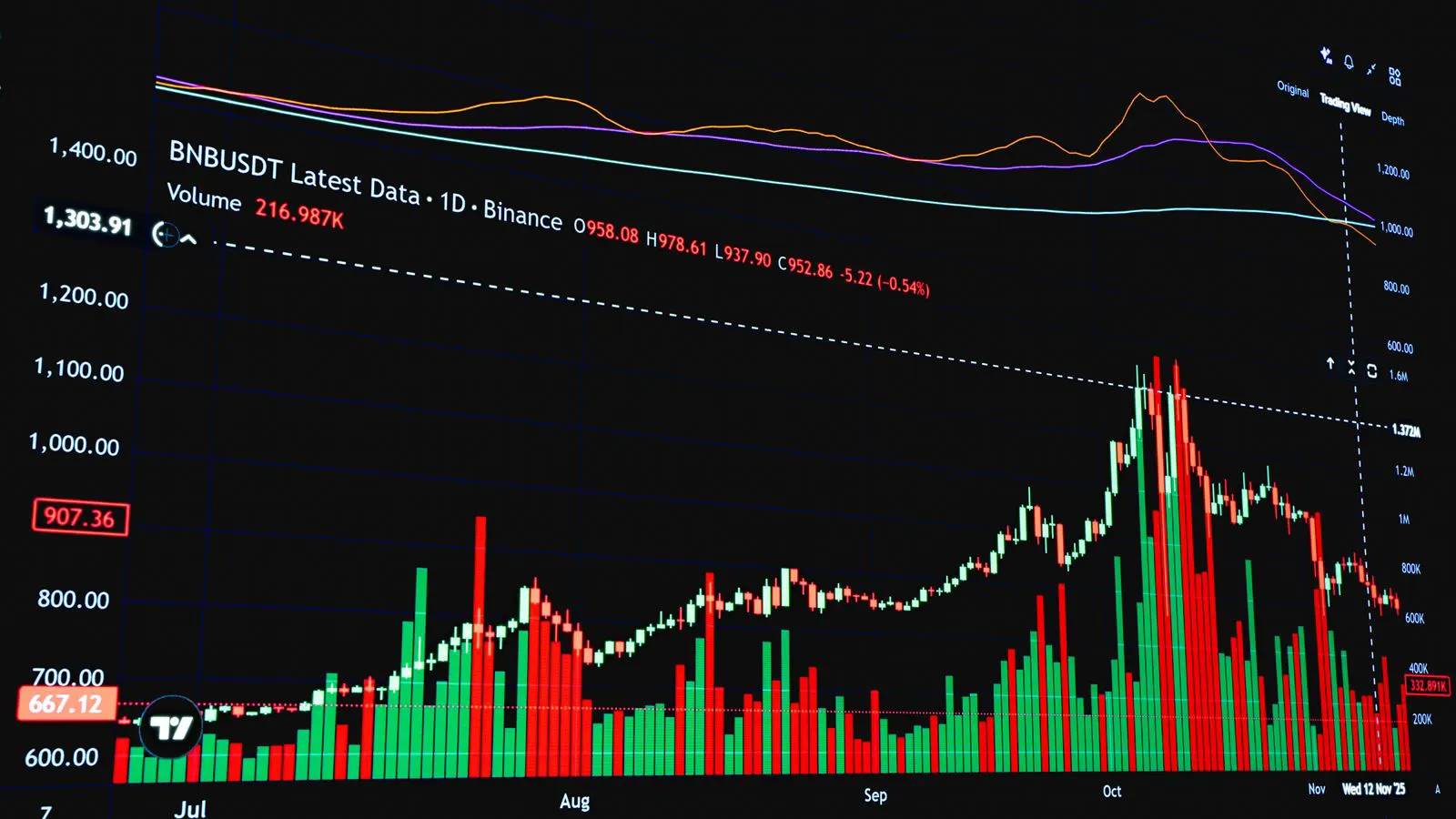
Cost & Lead Time
Standard vs Custom LV Switchgear: Cost and Delivery Impact
Choosing between standard and custom LV switchgear directly affects budget and delivery dates. Standard equipment reduces cost and shortens lead time, while
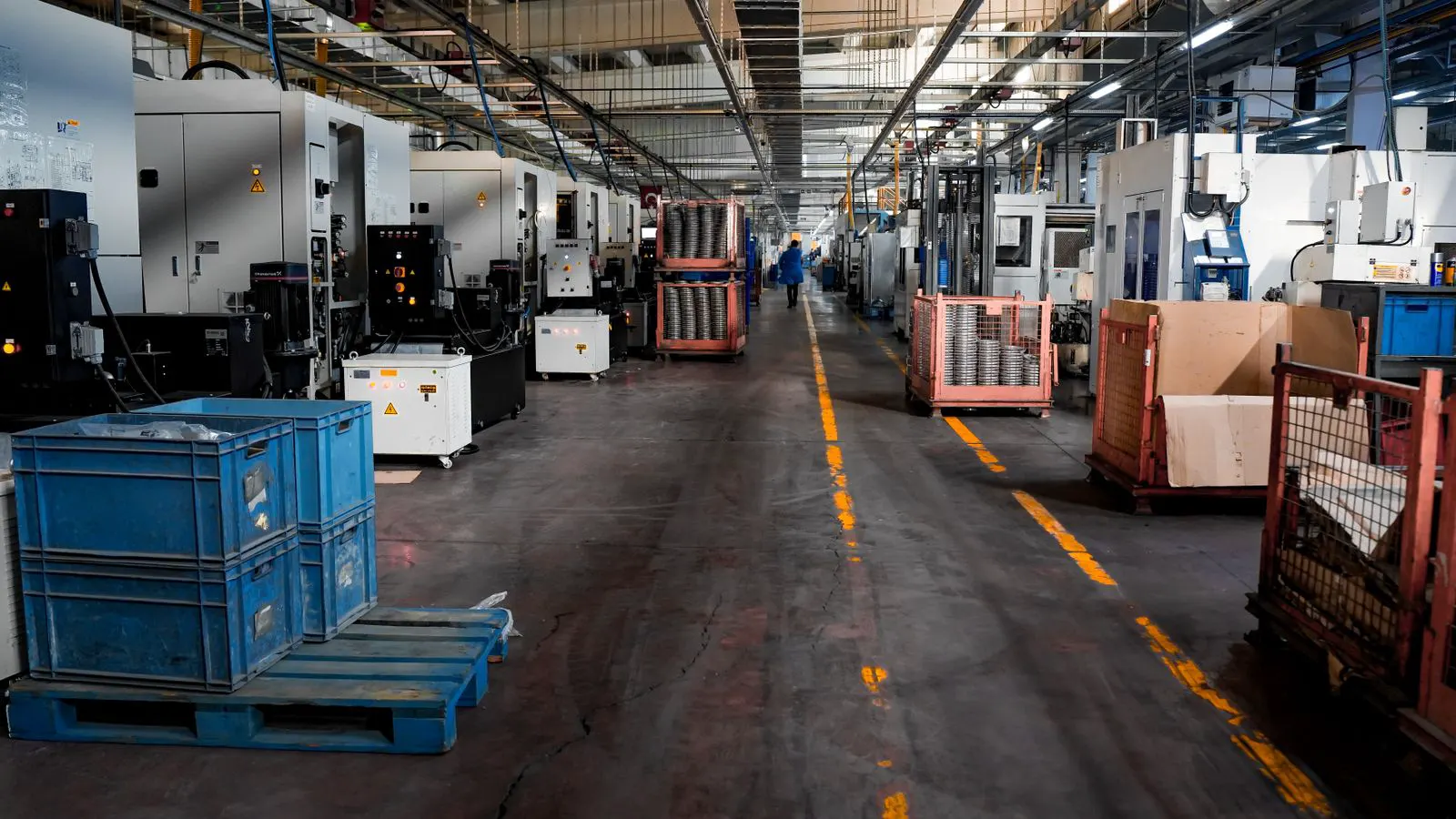
Clear, practical guidance for switchgear and protection procurement decisions.
Start with the stage of the sourcing process you are in.
Learn the types, ratings, and selection criteria for low-voltage switchgear used in industrial and commercial power distribution.
Explore medium-voltage switchgear configurations, insulation systems, and application guidance for MV distribution networks.
Review circuit breaker technologies, ratings, and operational principles to select the right protection device for your system.
Understand protection relay functions, settings, and coordination to ensure reliable fault detection and selective tripping.
Get clear explanations of common standards and testing methods for switchgear, breakers, and protection devices.
Practical guidance on switchgear cost factors, pricing drivers, and typical lead times for procurement planning.
Evaluate supplier capabilities, documentation, and support to choose a reliable partner for switchgear and protection systems.
Choosing between standard and custom LV switchgear directly affects budget and delivery dates. Standard equipment reduces cost and shortens lead time, while

Selecting the right protection relay requires matching trip curves to fault types, verifying settings against upstream and downstream devices, and confirming

IEC 61439 switchgear cost is driven by breaker type, busbar material, control complexity, and quantity. Accurate budgeting requires detailed technical specifications.
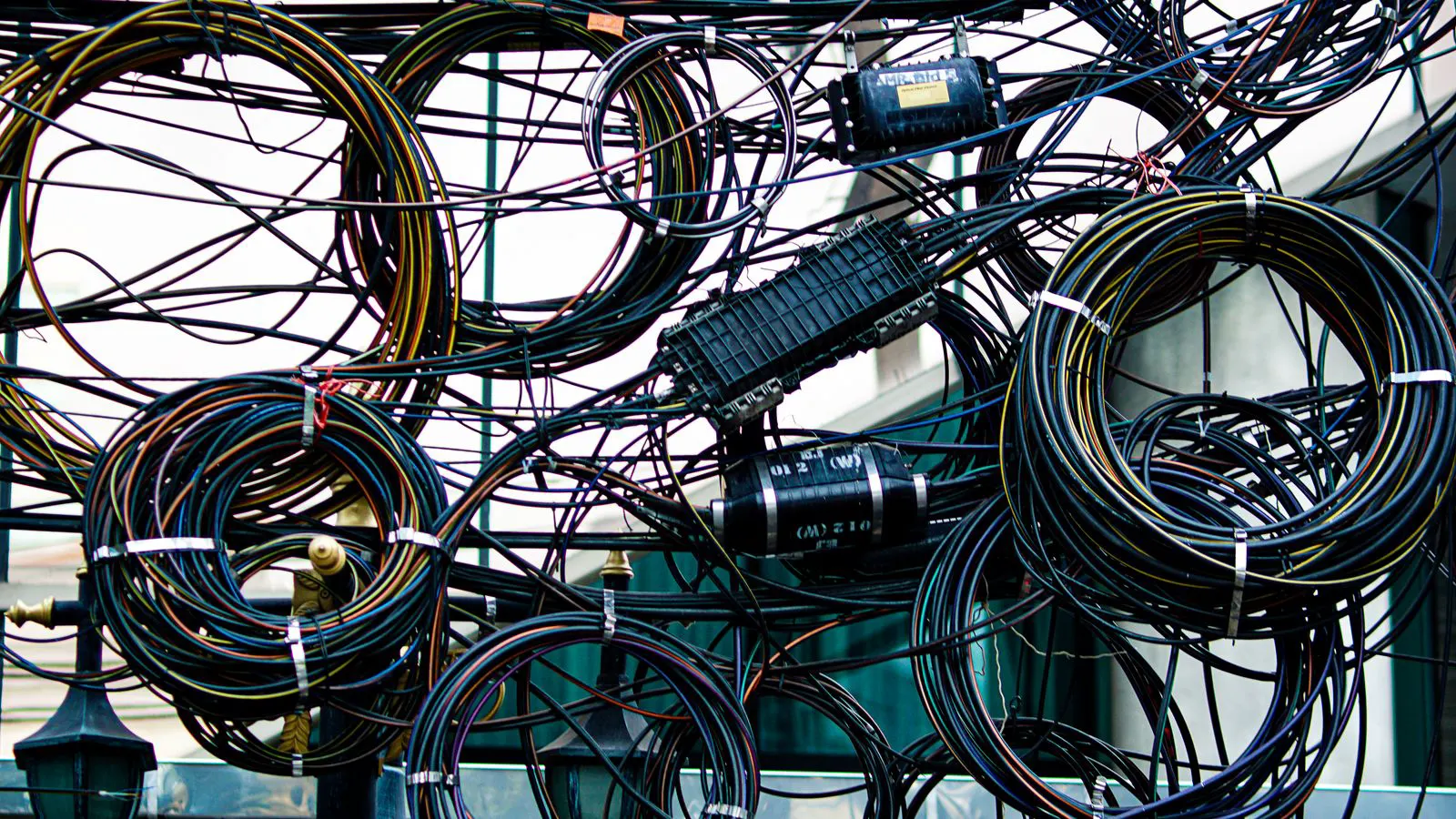
Relay communication failures cause data loss and blind spots in protection. Identify causes like loose connectors, protocol mismatches, or device faults. Apply
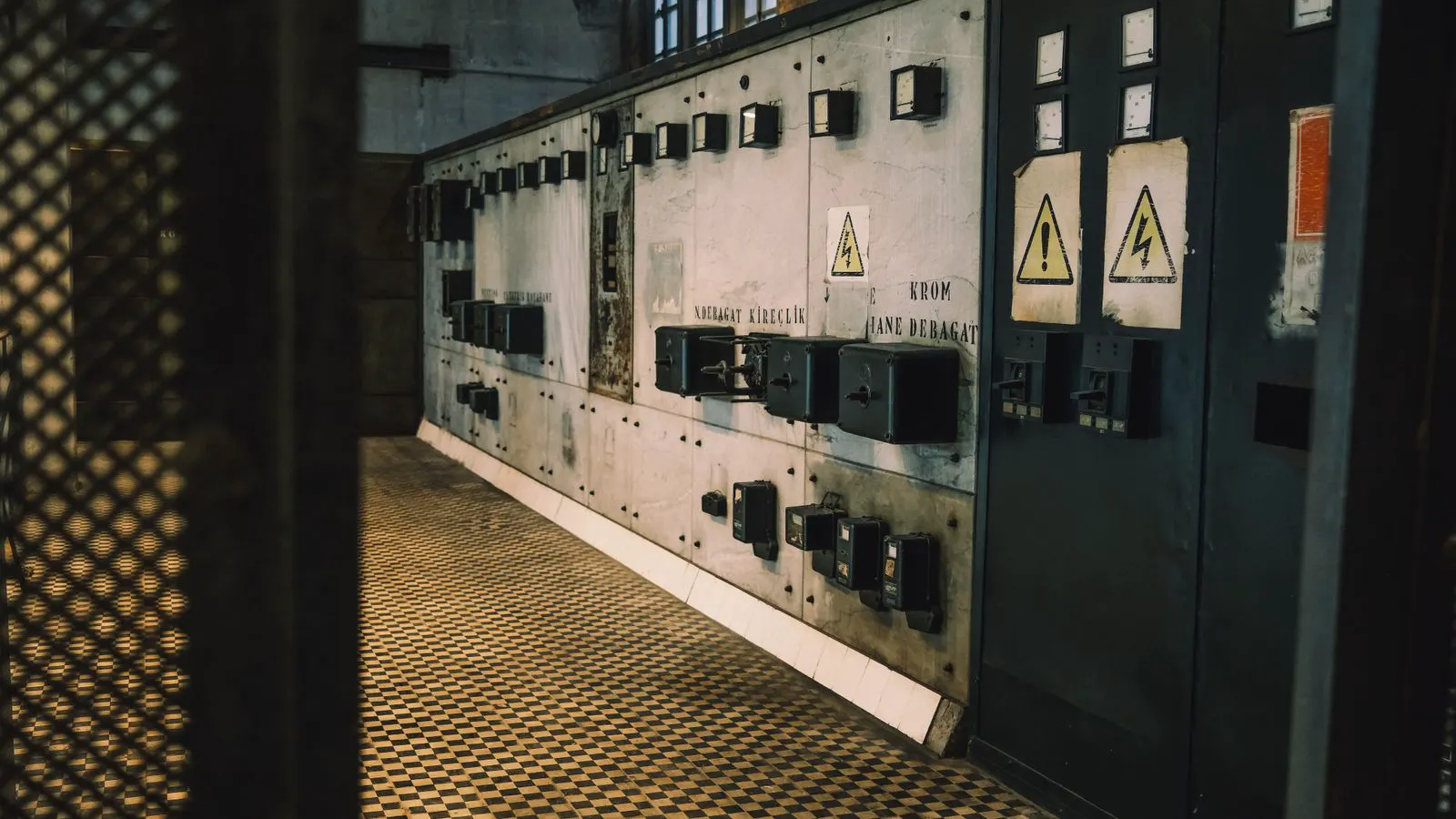
This guide provides a practical checklist for evaluating switchgear cost. It breaks down material, labor, and logistics drivers into actionable items. Buyers can use it

To size LV busbars, calculate continuous load current, verify thermal ratings based on ambient temperature, and check voltage drop across joints and lengths. Select

Smart MV switchgear is moving beyond basic relay logic toward integrated digital protection. Buyers should plan for sensor-based fault detection, cloud-connected

Insulation medium and panel build choices drive MV switchgear cost. Air, SF6, or solid insulation changes enclosure size, testing, and protection features. Panel type
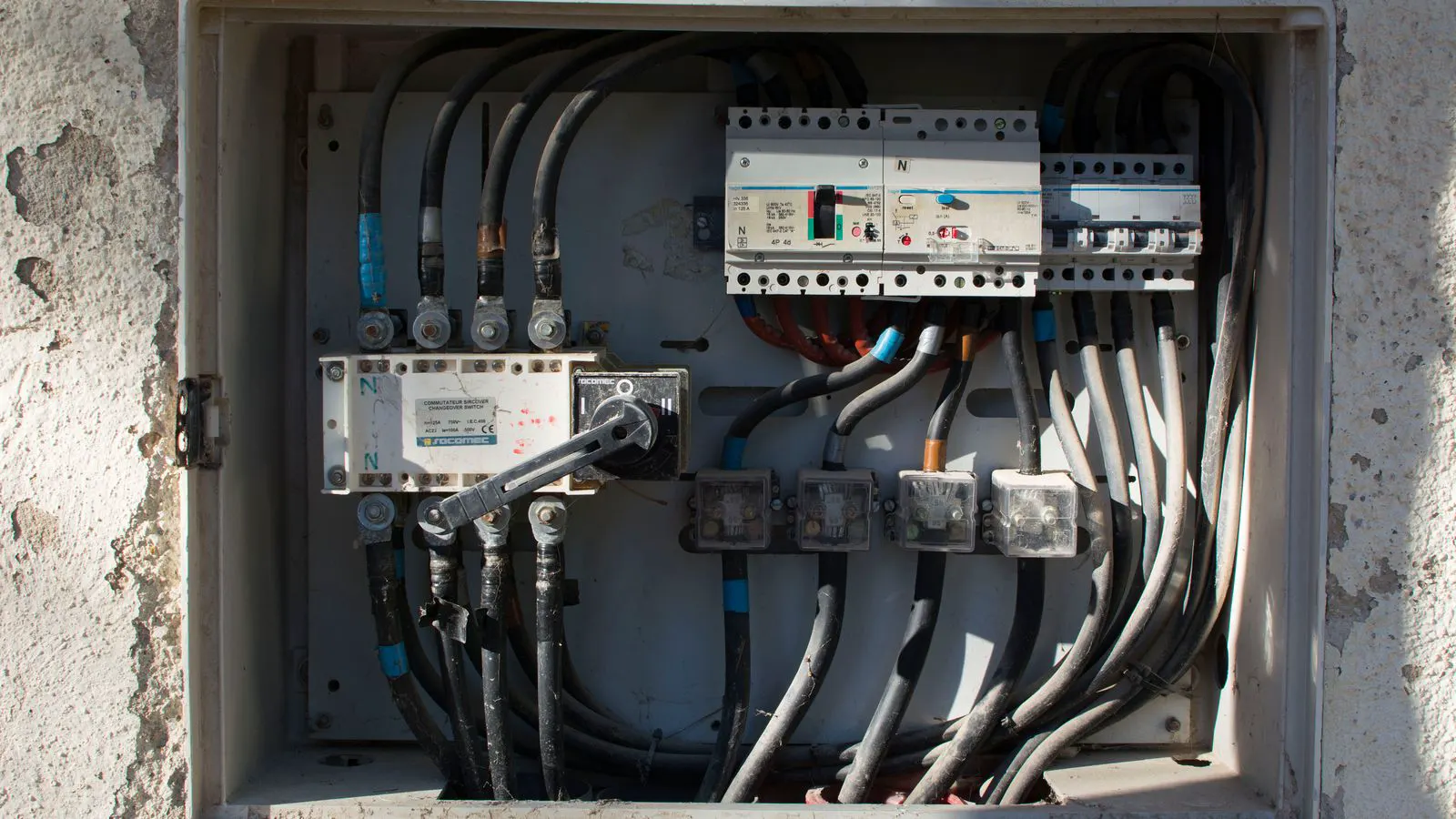
Selecting low voltage breakers requires matching breaking capacity, tripping units, coordination, and environmental conditions to the installation. This buyer's guide
Buyers and engineers select switchgear and protection systems based on specifications, supplier reliability, testing records, cost, and lead time. This site provides the technical and commercial criteria to compare options and structure supplier conversations.
The sections cover low-voltage and medium-voltage switchgear, circuit breakers, protection relays, standards and testing, cost and lead time, and supplier selection. Content is written to support specification writing, technical queries, and evaluation of bids.
Low-voltage switchgear typically operates at lower supply voltages for distribution and feeders, while medium-voltage switchgear handles higher voltages for substation and feeder applications. The voltage class drives insulation requirements, arc-flash design, and testing levels.
Overcurrent, short-circuit, ground fault, and differential protection are the core functions. The selection depends on the system configuration, fault current levels, and coordination requirements with upstream and downstream devices.
Type test certificates, factory acceptance test reports, and performance test data. These documents confirm that the equipment meets the specified standards and that the units delivered will perform as tested.
Lead times depend on voltage class, customisation, and component availability. Standardised units may ship faster than customised or higher-voltage solutions. Long-lead components such as certain breakers or relay units should be identified early in the project schedule.
Underspecifying insulation coordination, arc-flash ratings, or protection coordination. A unit that meets the minimum standard on paper may still fail under the specific fault conditions of the installation. Matching specifications to the actual system fault current and operating conditions is what prevents problems.
Review past projects at similar voltage and load levels, check reference sites, and request detailed technical data sheets. Ask for test reports and installation case studies that match the project scope. A supplier's ability to document and explain test results is a strong indicator of quality control.