Future Trends in MV Switchgear and Smart Protection
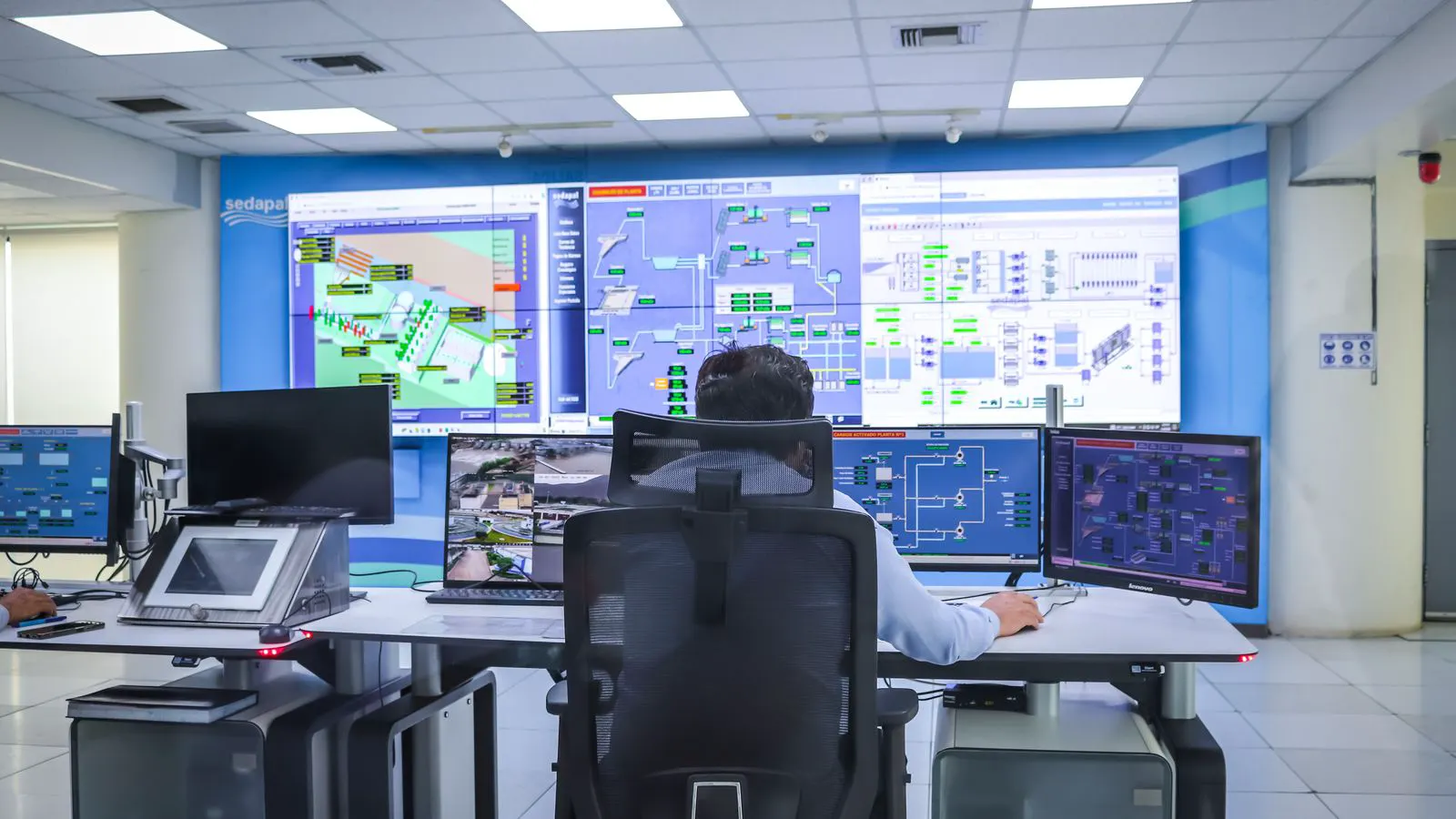
Smart switchgear introduces digital controls, remote monitoring, and integrated protection that change MV network operations. Buyers should plan for cloud connectivity, cybersecurity, and vendor support models. These shifts affect maintenance cycles, spare parts strategy, and network reliability.
- Smart switchgear moves protection and control logic from standalone relays to integrated digital units with network connectivity.
- Buyers should require clear cybersecurity documentation, firmware update procedures, and vendor support terms before selecting digital MV switchgear.
- Future MV network investments should prioritize interoperability, remote diagnostic access, and scalable busbar and breaker configurations.
- Maintenance strategies are shifting from scheduled intervals toward condition-based checks using vibration, thermal, and insulation data.
- Lead times and integration costs for digital switchgear can exceed those of traditional panels, so procurement plans need extra buffer.
Where MV switchgear is heading
Medium-voltage switchgear is moving from a set of mechanical and electrical components into a connected asset that reports its own condition. The shift is not about replacing a breaker with a screen. It is about changing how protection logic runs, how faults are recorded, and how operators respond to anomalies.
Traditional MV panels rely on relay units that sit inside the breaker cabinet or on a nearby bus. These units perform their job well, but they often require local access for setting changes, alarm history, and firmware updates. Smart switchgear integrates that logic with communication interfaces, local displays, and remote access points. The result is a panel that can show a busbar temperature trend three days before a trip, or flag a contact resistance rise during routine tests.
This change matters for buyers because it alters the operating model. A network that once depended on periodic visits and manual readings now depends on data pipelines, software licenses, and vendor remote support. The hardware still has to survive the same switching, short-circuit, and environmental conditions as before. The difference is that the intelligence layer is now part of the asset lifecycle.
What smart switchgear actually changes
The core value of smart switchgear is integrated protection and control. Instead of separate relays for overcurrent, earth fault, voltage, and synchronization, a single digital unit may handle multiple functions. This reduces the number of relays, wiring, and cabinet space. It also creates a common data source for all protection events.
Digital switchgear also improves event visibility. A trip can be traced to a specific breaker, bus section, and protection zone within seconds. The recorded waveform, timing, and settings are stored locally and can be exported to a historian or SCADA system. For planners, this means a fault on a feeder no longer requires a full post-event investigation to determine whether the trip was protective or nuisance.
The communication layer is where the investment model changes. Smart switchgear typically supports standard industrial protocols and can connect to a building management system, plant SCADA, or a cloud platform. The panel becomes a node in a larger network. That connection enables remote diagnostics, but it also introduces exposure to cyber risk. A panel that can be reached remotely is a panel that must be protected remotely.
The five shifts buyers should plan for
1. Protection logic moves into the network
MV protection trends show a clear move from standalone relays to networked protection functions. This does not mean all relays disappear. Critical protection zones often keep dedicated units for redundancy and speed. But the trend is toward shared protection logic where settings, trip records, and alarm states are visible across the network.
For buyers, this changes the pre-purchase checklist. The panel specification must state which functions run on the local unit and which are managed from a central system. It must also define what happens if the communication link fails. A smart switchgear panel should continue to operate safely in a local-only mode. If the panel cannot protect the bus without a network connection, the design is risky.
2. Maintenance becomes condition-based
Scheduled maintenance is not going away, but it is being supplemented by condition-based checks. Smart switchgear can log contact resistance, insulation resistance, busbar temperature, and vibration signatures. These data points allow maintenance teams to target work when a component is actually degrading, rather than on a fixed calendar.
This shift changes the maintenance contract. The service provider may need access to the data platform, not just the physical cabinet. The buyer should confirm who owns the maintenance records and how long they are retained. A breaker that has been in service for ten years may need a different inspection interval than one that has passed its first major load test.
3. Cybersecurity becomes part of the panel specification
A connected MV panel is an entry point into the electrical network. If the panel software has a vulnerability, a remote actor could read settings, mask alarms, or in a worst-case scenario, alter protection behavior. Most industrial networks are segmented, but the panel itself must be secure by design.
Buyers should require the vendor to provide a cybersecurity statement covering firmware signing, secure boot, encrypted communication, and user authentication. The specification should also state how firmware updates are delivered and validated. A panel that receives updates over an unsecured connection is a problem before it is installed.
4. Integration costs grow beyond the panel price
The sticker price of a smart switchgear panel may be similar to a traditional panel, but the total cost of ownership is different. Integration with SCADA, historians, and cloud platforms requires engineering time, network configuration, and testing. The panel must also be sized for the communication load, not just the electrical load.
Lead times are another factor. Digital switchgear often depends on specialized control units and software releases. If a project schedule is tight, the buyer should confirm that the vendor can deliver a complete panel with preconfigured settings and firmware. A panel that arrives on time but requires a six-week software integration phase will still delay the project.
5. Vendor support becomes a long-term relationship
Traditional switchgear support is often limited to spare parts and mechanical repair. Smart switchgear support extends to software updates, platform access, and application engineering. If the vendor changes its support model, or if the platform becomes obsolete, the panel may still work electrically but lose its digital value.
Buyers should ask about the support roadmap. How long will the vendor support the communication protocol and software version? What is the process for migrating to a new platform? What happens if the vendor exits the market? These questions are not optional. They are part of the risk assessment.
How to prepare your MV switchgear investment
Preparation starts with the pre-purchase checklist. The existing checklist should be expanded to include communication specifications, cybersecurity documentation, and software support terms. The ten critical points for MV switchgear buyers remain valid, but they now include digital items.
The table below summarizes the key areas to evaluate during the selection phase.
| Area | Traditional MV Switchgear | Smart Switchgear |
|---|---|---|
| Protection logic | Local relays, separate setting storage | Integrated digital units, network-accessible settings |
| Maintenance data | Manual readings, periodic reports | Continuous logging of thermal, vibration, insulation data |
| Communication | Limited or none | Multi-protocol, SCADA/cloud capable |
| Cybersecurity | Physical security only | Firmware signing, encrypted comms, user authentication |
| Support model | Spare parts and mechanical repair | Software updates, platform access, application engineering |
| Lead time | Standard electrical lead times | May require longer for software integration and testing |
The next step is to define the network architecture. A single plant may have multiple MV networks, and they may not share the same protection philosophy. A smart switchgear panel should be selected with that architecture in mind. If one network uses a central SCADA system and another uses local displays, the panel configuration must match.
Procurement planning also needs adjustment. The buyer should request a complete panel configuration, including the control unit, communication module, display, and any remote access gateway. The quote should separate the hardware from the integration services. This makes it easier to compare vendors and to understand where the cost is actually going.
Common mistakes in the transition
The most common mistake is treating smart switchgear as a cosmetic upgrade. A panel with a touchscreen but no real data integration is not smart. It is a traditional panel with a display. The value comes from the data, the protection logic, and the maintenance workflow.
Another mistake is underestimating the training load. Operators who are used to local relays may not understand how to interpret a remote diagnostic report. Maintenance engineers may not know how to validate a firmware update. The project plan should include training time and documentation review.
A third mistake is ignoring the busbar system. Smart switchgear does not change the mechanical or thermal behavior of the busbar. The busbar still needs proper sizing, support, and insulation testing. The installation process remains the same, but the commissioning process now includes communication testing and data validation.
What this means for future MV networks
The direction is clear. MV networks are becoming digital infrastructure. The breakers and busbars are the same as they have always been, but the intelligence layer is new. Smart switchgear and digital switchgear are not optional add-ons. They are becoming the baseline expectation for new projects and major upgrades.
Buyers who prepare now will have a smoother transition. They will have clearer specifications, better maintenance data, and a more resilient network. The key is to treat the digital layer with the same rigor as the electrical layer. That means testing, documentation, support contracts, and a clear understanding of how the panel will operate in normal, fault, and communication-failure modes.
The goal is not to build the most advanced panel possible. The goal is to build a panel that fits the network, survives the environment, and supports the operations team for the next decade or more. Smart switchgear makes that possible, but only if it is selected and integrated with care.
Frequently asked questions
Does smart switchgear replace traditional protection relays?
Not entirely. Critical protection zones often keep dedicated relays for speed and redundancy. Smart switchgear integrates protection logic with communication and monitoring, but the underlying protection functions remain.
What is the biggest risk with digital MV switchgear?
Cybersecurity exposure. A connected panel is a node in an industrial network. If the software or communication layer is vulnerable, it can affect operations. Secure firmware, encrypted communication, and vendor support are required.
How do I know if a panel is truly smart or just a traditional panel with a display?
Look at the data integration. A truly smart panel logs continuous condition data, stores event records, and can communicate with SCADA or a cloud platform. A display alone is not enough.
Will smart switchgear increase maintenance costs?
It can change the cost structure. Initial integration and software costs may be higher, but condition-based maintenance can reduce unnecessary visits and spare parts. The long-term effect depends on the network size and usage.
Should I require a cybersecurity specification in the tender?
Yes. The specification should cover firmware signing, secure boot, encrypted communication, user authentication, and the firmware update process. These items protect the panel and the wider network.