Cost and Lead Time for LV Switchgear: What to Expect in 2026
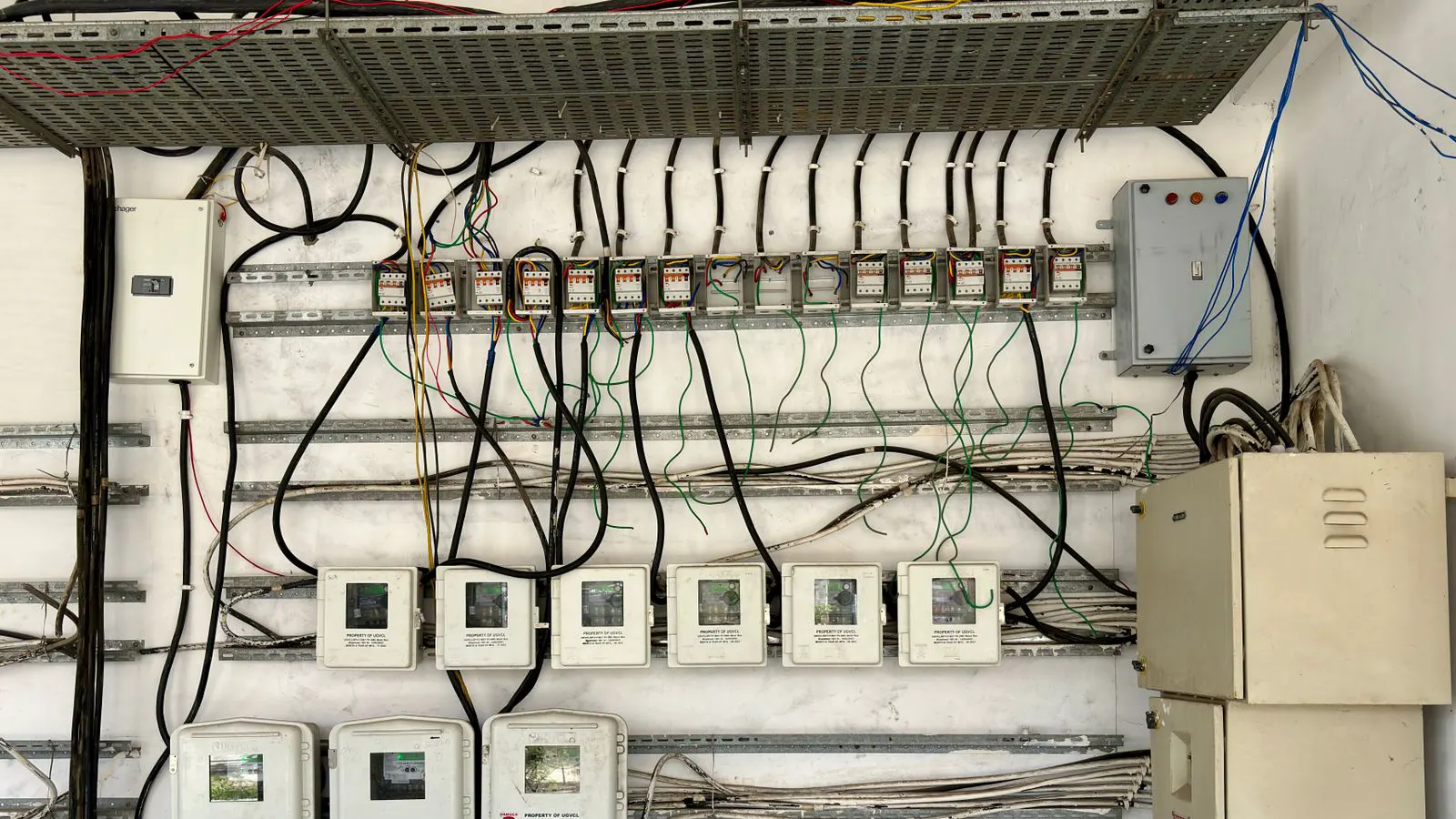
LV switchgear pricing depends on design complexity, material costs, and supplier capacity. Lead times vary by product type and customization. A clear RFQ with defined specifications and delivery milestones improves quote accuracy and reduces procurement risk.
- LV switchgear pricing is driven by design complexity, material inputs, and supplier capacity.
- Lead times depend on product standardization, custom engineering, and supply chain stability.
- A clear RFQ with detailed specifications improves quote accuracy and shortens procurement cycles.
- Comparing quotes fairly requires aligning scope, materials, and delivery terms before evaluating price.
What drives LV switchgear pricing in 2026
LV switchgear cost and lead time are shaped by three core factors: design complexity, material inputs, and supplier capacity. A standardized panel with off-the-shelf breakers and fixed circuit layouts costs less and moves faster than a custom-engineered main switchboard with integrated protection relays.
Pricing is not a single number. It reflects the sum of engineering labor, component costs, enclosure fabrication, testing, and logistics. Two suppliers may quote similar unit prices for the same cabinet size but differ significantly in what is included. One may cover factory acceptance testing and shipping; another may charge separately for custom drawings, commissioning support, or spare parts.
Material costs move with commodity markets. Copper, steel, and polymer resins influence the base price of busbars, enclosures, and insulating components. Labor costs vary by region and supplier type. A domestic manufacturer may charge more per unit but offer shorter lead times and easier on-site support. An imported supplier may quote lower prices but add freight, customs clearance, and longer transit windows.
Design complexity is the largest variable. A distribution board with standard MCBs and RCDs is straightforward. A main switchgear unit with motor feeders, transformer protection, and multiple interlocks requires more engineering time, more testing cycles, and often higher-grade components. Every additional feature adds cost and extends the production timeline.
How to write a clear RFQ that gets accurate quotes
A vague RFQ produces vague quotes. If the request says “LV switchgear for a 500 kW plant,” suppliers will fill gaps with assumptions. Some will assume standard protection levels. Others will specify premium components to protect their margin. The result is a comparison that looks fair on paper but fails in execution.
A strong RFQ states the electrical scope first. List the incoming voltage, outgoing circuits, breaker types, and protection requirements. Include the physical environment: indoor or outdoor, humidity, dust, altitude, and any special insulation or corrosion requirements. Specify the enclosure finish, door type, and any required labeling or documentation.
Next, define the commercial terms. State whether the price includes shipping to your site, factory acceptance testing, spare parts, and technical support. Ask for a delivery schedule with milestones: order confirmation, design approval, factory testing, shipment, and on-site commissioning support. Require quotes to be valid for a stated period, typically 60 to 90 days.
Attach or reference the drawings. A one-line diagram, a panel schedule, and a list of accessories reduce back-and-forth. If the project is in an early stage, state that clearly. Ask suppliers to mark assumptions in their quotes so you can correct them before award. This step saves weeks of clarification and prevents scope creep.
How to compare quotes fairly
Comparing two quotes is not comparing two numbers. It is comparing two scopes of work. Before evaluating price, build a side-by-side matrix. List each line item: breakers, busbars, enclosures, relays, meters, spares, testing, shipping, and documentation. Check whether both quotes include the same items.
Look at the breakdown of cost. Some suppliers itemize components; others provide a lump sum. A lump sum is acceptable only if you can verify the included scope in writing. Ask for a bill of materials or a detailed quote sheet. If one supplier includes a 10 percent spares package and another does not, adjust the comparison accordingly.
Delivery terms matter as much as price. A quote that is 8 percent cheaper but requires a 16-week lead time may cost more in project delay. A quote with a 4-week lead time may justify a higher price if your project schedule is tight. Ask for a production plan. Understand where each supplier sits in the supply chain. If a supplier is a distributor, they may order from a manufacturer and add margin. If they are a manufacturer, they control production slots and may offer faster delivery.
Realistic delivery schedules for LV switchgear
Lead time for LV switchgear varies by product type. Standardized distribution boards with common breakers can move within a few weeks. Custom main switchgear with integrated protection and multiple interlocks often requires several months. The difference comes from engineering, procurement of long-lead components, and factory testing.
A typical procurement timeline for a custom LV switchgear unit might look like this:
- RFQ issued and supplier selected
- Design review and approval
- Component procurement
- Factory fabrication and assembly
- Factory acceptance testing
- Shipping and site delivery
- Site installation and commissioning
Each stage has variables. Design approval can stall if the customer delays feedback. Component procurement adds time when long-lead items are required. Factory testing depends on the load and complexity of the unit. Shipping adds transit time, which varies by region and logistics partner.
Set a target delivery date and work backward. Confirm with the supplier whether the quoted lead time includes all stages or only production. Ask about penalty clauses or liquidated damages if delivery is late. Also ask about acceleration options. Some suppliers can shorten lead times for an additional fee, but this is not guaranteed and depends on factory capacity.
Cost drivers and trade-offs
The table below summarizes the main cost drivers for LV switchgear projects.
| Cost driver | What it affects | Typical trade-off |
|---|---|---|
| Breaker type and rating | Component cost and protection performance | Higher-rated breakers cost more but handle higher fault currents |
| Busbar material and size | Conduction capacity and cost | Larger busbars reduce voltage drop but increase material cost |
| Enclosure finish | Durability and appearance | Powder-coated or stainless enclosures cost more than painted steel |
| Protection relays | Selectivity and coordination | Integrated relays add cost but reduce external device needs |
| Testing scope | Quality assurance and compliance | More extensive testing adds time and cost but reduces field risk |
| Shipping and location | Logistics cost and lead time | Remote sites increase freight cost and extend delivery |
These drivers interact. A project with tight clearance or high fault levels may require larger enclosures and heavier busbars, which increases both cost and lead time. A project in a corrosive environment may need special finishes, which adds fabrication time. Understanding these interactions early helps you set a realistic budget and schedule.
How to manage budget and risk
Switchgear budgeting should include a contingency for change. Projects rarely stay static. Circuit counts change, protection requirements shift, and site conditions reveal issues that were not visible during design. A contingency of 10 to 20 percent is common for electrical equipment, depending on project maturity.
Risk management starts with the supplier selection process. Verify capability before award. Check recent project references, factory capacity, and quality systems. Ask about past delivery performance on similar projects. A supplier with a strong track record may cost more upfront but reduces the risk of delays and non-conformance.
Document everything. Keep a clear record of approved drawings, RFQ responses, and change orders. If scope changes during the project, get a written amendment. This protects both parties and keeps the budget transparent.
Practical checklist for procurement
Use this checklist when moving from design to purchase:
- Confirm the final one-line diagram and panel schedule.
- List all breakers, relays, and accessories with ratings.
- Specify environmental conditions and enclosure requirements.
- Define testing scope and acceptance criteria.
- State delivery location and required documentation.
- Request quotes with itemized breakdown and lead times.
- Compare quotes against scope, not just price.
- Confirm supplier capacity and production plan.
- Agree on change order procedures.
- Schedule a pre-purchase review with the project team.
This process reduces surprises and aligns expectations before money is committed.
Frequently asked questions
How much does LV switchgear cost?
LV switchgear cost varies widely based on design, components, and supplier. Standardized units are cheaper and faster than custom-engineered main switchgear. Request itemized quotes to compare scope fairly.
How long does LV switchgear take to deliver?
Delivery time depends on product type and customization. Standardized boards may arrive in a few weeks, while custom switchgear can take several months. Always confirm the lead time includes design, production, testing, and shipping.
What is the best way to compare switchgear quotes?
Compare quotes by scope, not just price. Build a matrix that lists every included item, component, and service. Adjust for differences in spares, testing, and delivery terms before evaluating cost.
Can I get faster delivery if I pay more?
Some suppliers offer accelerated production for an additional fee. This is not guaranteed and depends on factory capacity. Confirm acceleration options in writing before placing the order.
What documents should I include in an RFQ for LV switchgear?
Include the one-line diagram, panel schedule, breaker list, environmental requirements, and delivery terms. Attach or reference drawings to reduce assumptions and improve quote accuracy.